Heel Pain That Won't Go Away: What You're Probably Missing
When heel pain outlasts months of trying, one of four things is usually going on. None of them is 'just live with it.'
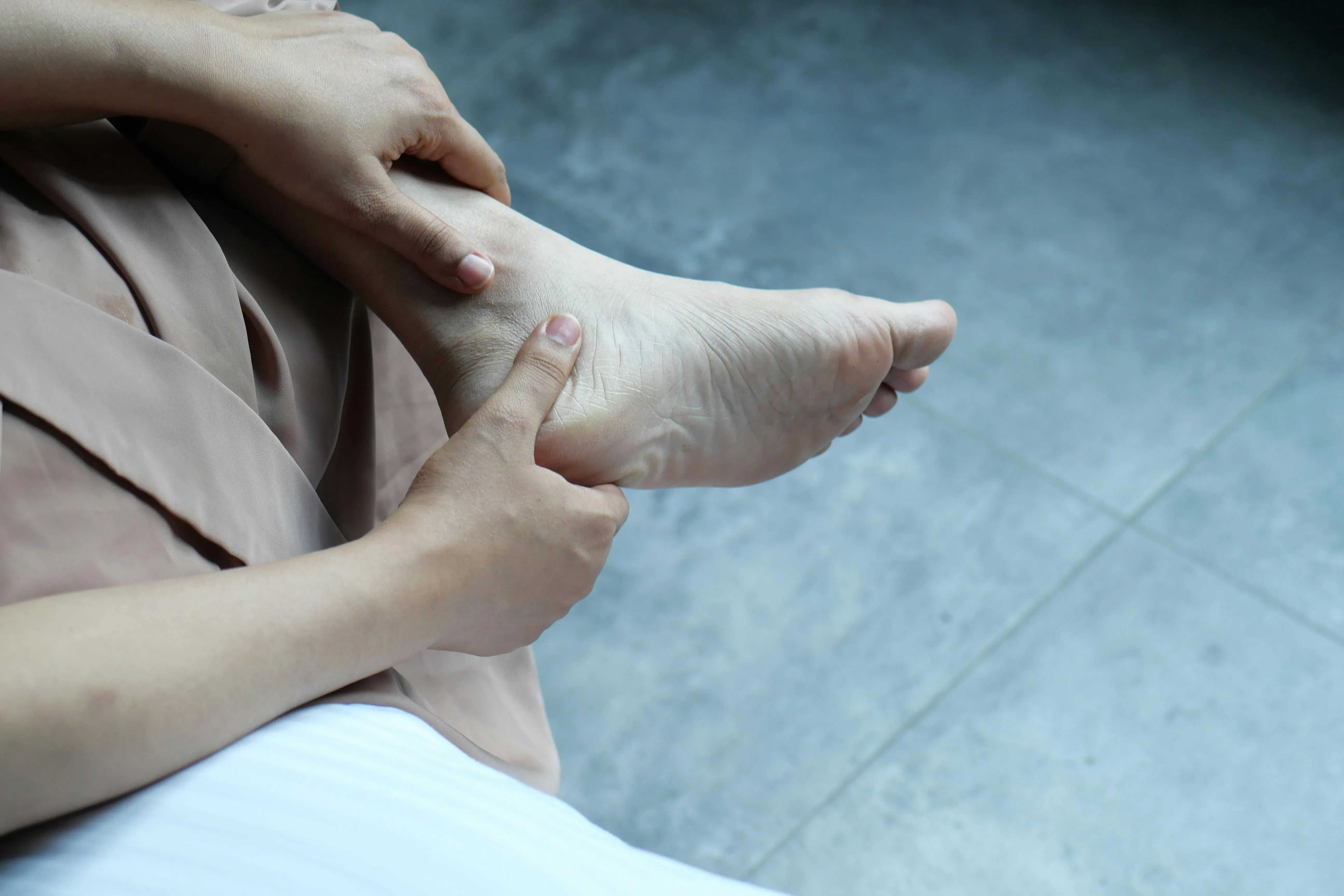
Read the article →Plantar fasciitis introduces itself the same way in almost everyone: a sharp stab under the heel when you stand after rest, worst with the first steps of the morning, easing as you warm up. If that describes your pain, you probably already have your diagnosis. What you need next is a plan that corrects the overload instead of just waiting it out.
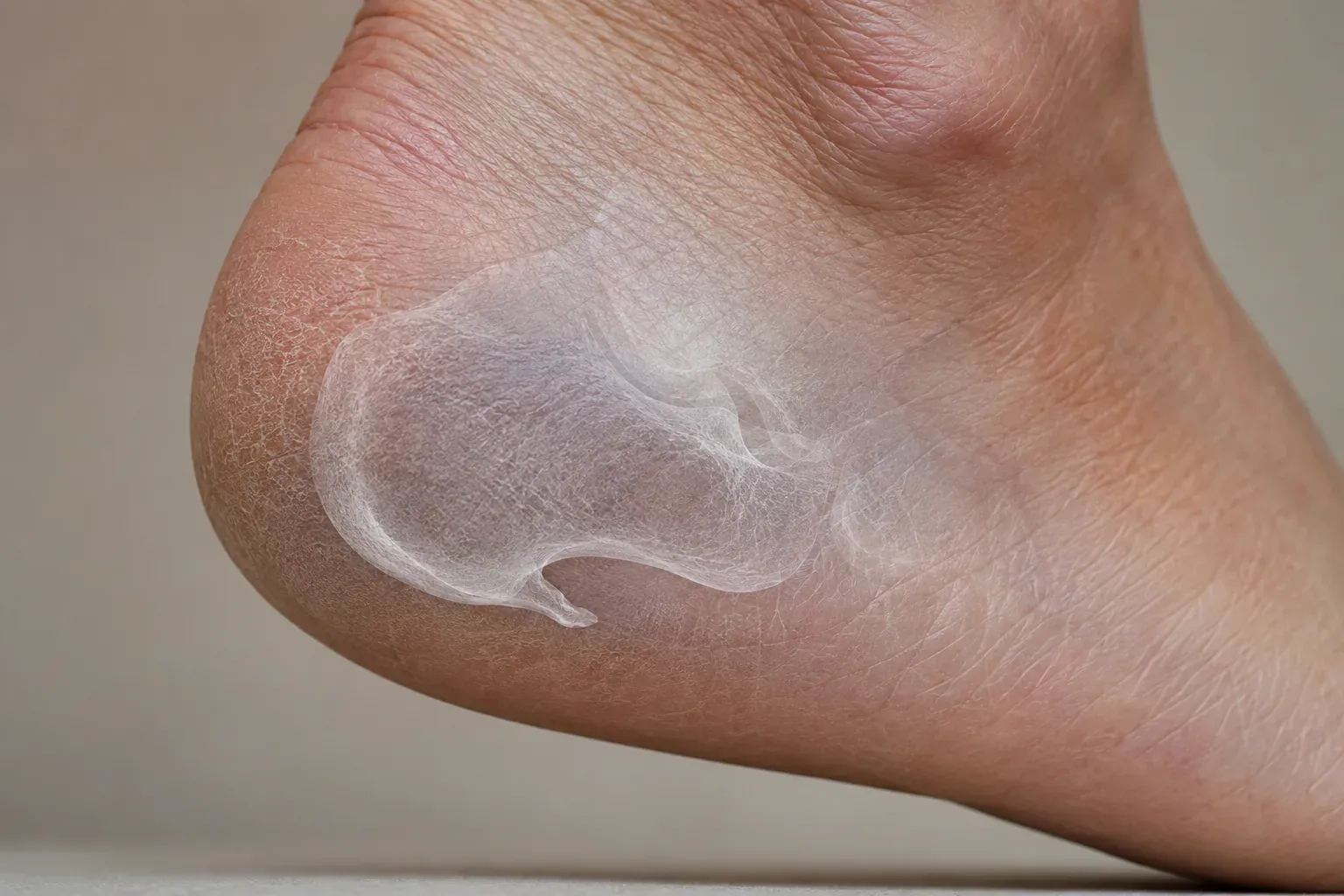
Picture the plantar fascia as the cable that holds up your arch, anchored into the underside of the heel bone. Every step tensions that cable. A lifetime of ordinary steps is fine; what causes trouble is a sudden jump in load, calves too tight to share the work, or a foot shape that strains the anchor point, producing microscopic tearing faster than the body can repair it. Despite the name, chronic cases show degenerated tissue more than inflammation, which is why rest and anti-inflammatories alone so often disappoint.
This is one of the few conditions often identifiable before the sock comes off, because the story is so characteristic. The exam confirms it: focal tenderness where the fascia anchors into the inner heel, calf tightness on the affected side, and pain when the toes are bent upward to tension the band. Dr. Galant adds in-office ultrasound when the picture is atypical, to measure fascia thickness or find a partial tear, and X-rays when bone is in question.
Give honest self-care a two-week trial: daily calf stretching, supportive shoes at all times including at home, and a pullback on impact. If the morning stab survives that, come in. Runners and cyclists in the middle of a training block should come in sooner rather than push through; the fascia does not respond well to being negotiated with, and an early visit usually saves the season rather than ending it.
Call (201) 568-2100 promptly for: sudden sharp arch pain with a pop during activity, which can signal a fascia rupture; heel pain with fever or spreading redness; pain with numbness or burning into the toes. Urgent foot problems are worked into the schedule faster.
Treatment starts with the simplest option likely to work and escalates only when needed.
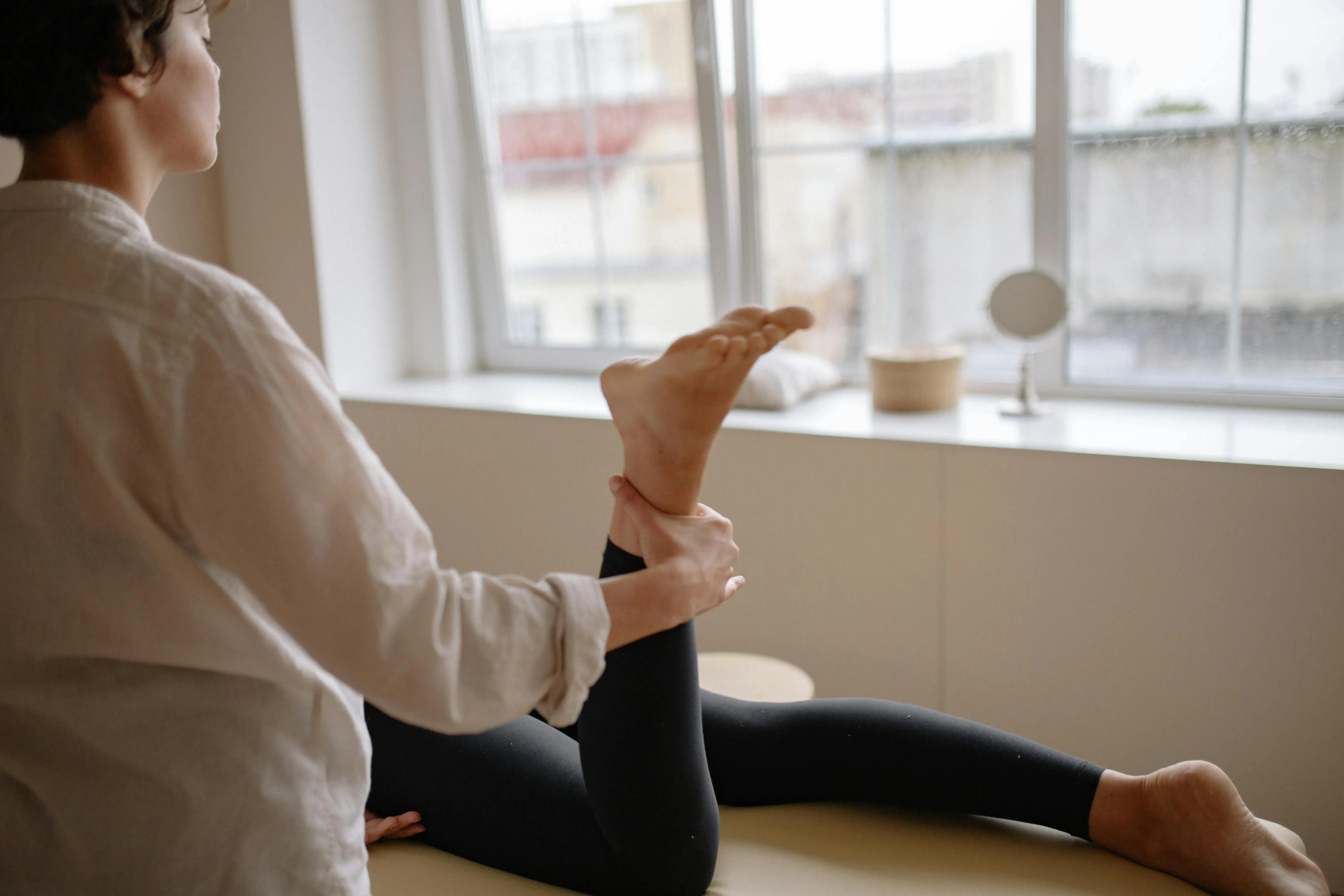
You leave with an exact routine: wall stretches for the calf, fascia-specific stretches done before your first steps out of bed, and clear instructions on frequency. Consistency beats intensity; this is the backbone of recovery.
Arch taping gives many patients their first comfortable steps in months, and it doubles as a test: if taping helps, orthotics will. Your footwear gets audited too, including whatever you wear around the house.
Molded to your foot, prescription orthotics support the arch so each step puts less tension through the fascia. For fasciitis that keeps coming back, they are the difference between treating episodes and ending them.
When roughly three months of good conservative care hasn't finished the job, a weekly series of EPAT sessions stimulates repair in the degenerated tissue. The evidence for shockwave in chronic plantar fasciitis is among the strongest in podiatry.
Cortisone is a tool for breaking a severe flare, used sparingly because repeated injections can weaken the fascia toward rupture. Surgical release is reserved for the rare case that fails everything else, and Dr. Galant will tell you plainly whether you are one of them.
As you walk, the fascia gradually stretches out and hurts less, which is the warm-up effect. But the damaged anchor point is still being loaded with every step, so after a long day, or after you sit and it tightens again, the pain returns. Improvement during activity is not the same as healing.
They can, particularly when morning pain is the dominant symptom. A splint holds the ankle and fascia at length overnight, so the first steps don't abruptly re-stretch tissue that tightened during sleep. Some people find them awkward to sleep in, so they're prescribed as an adjunct, not a first requirement.
Yes, and it's not unusual, since both feet share the same tight calves, the same shoes, and the same daily load. When both heels hurt at once, the exam also considers whether an inflammatory condition is contributing, which changes the workup slightly.
Usually, yes. Supportive footwear worn without exception, taping or orthotics to cut the load of each step, and stretching breaks built into the day let most people heal while working. Evening and Saturday appointments make the follow-up schedule workable around full-time hours.
When heel pain outlasts months of trying, one of four things is usually going on. None of them is 'just live with it.'
Read the article →Plenty of pain-free feet have spurs, and plenty of painful heels don't. Here's how to tell what's actually going on.
Read the article →Three stretches carry most of the evidence for fixing plantar fasciitis. Here's how to do them correctly, and how often.
Read the article →One visit at our Tenafly office gets you a diagnosis and a plan. Call (201) 568-2100 or book online.